What “spikes more than cake” actually means
You notice it first as a heavy blink about 30 minutes after dinner—like your body is trying to power down even though you didn’t eat “dessert.” That’s usually where the phrase “spikes more than cake” gets misunderstood. It doesn’t mean cake is harmless, or that savory food is automatically worse. It means some dinner plates deliver glucose into the bloodstream faster than people expect, sometimes faster than a small slice of cake that’s slowed by fat, eggs, or a smaller portion.
In practice, the biggest spikes often come from speed and scale: a large serving of refined starch, little fiber, and a sauce that quietly adds sugar. White rice, mashed potatoes, noodles, and breaded items can behave like quick carbs when they’re eaten in big bowls, with minimal protein, and without vegetables that add bulk. The result may feel like post-meal fog at first—then a sharper swing into cravings later, which can be confusing when dinner seemed “balanced” on paper.
Why dinner carbs can hit harder than expected
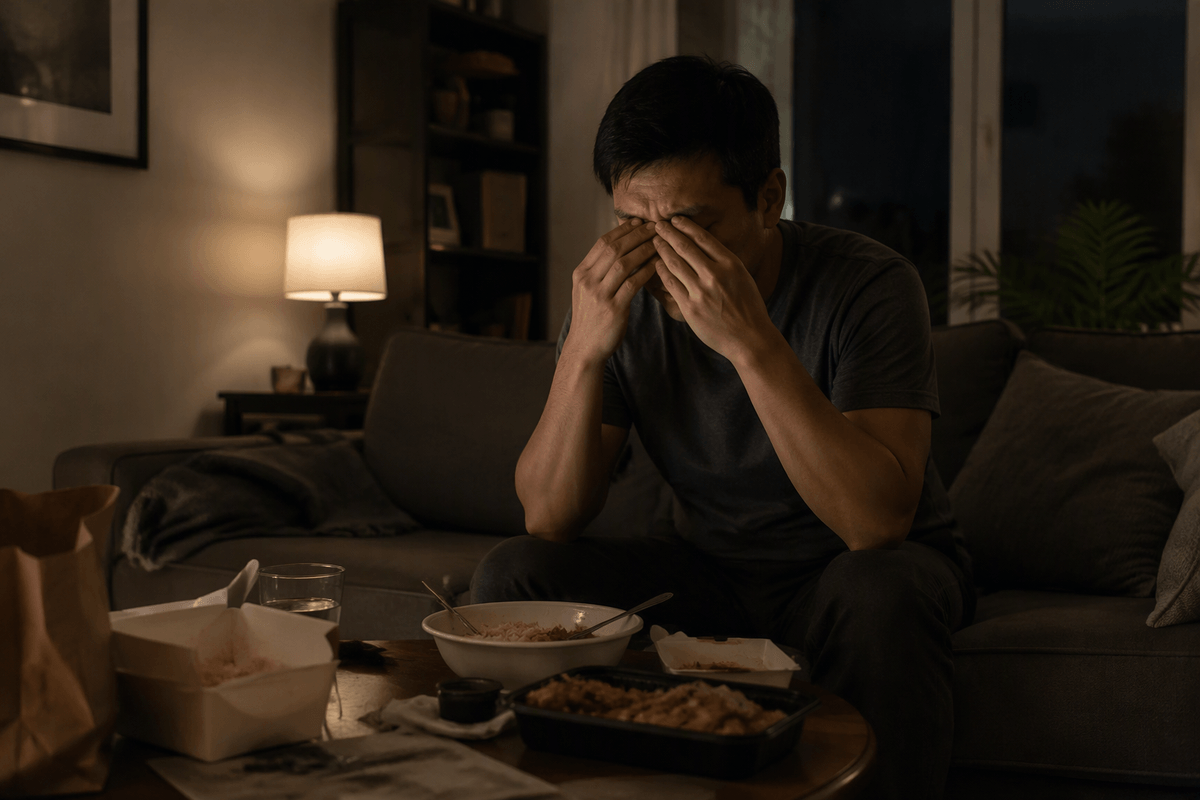
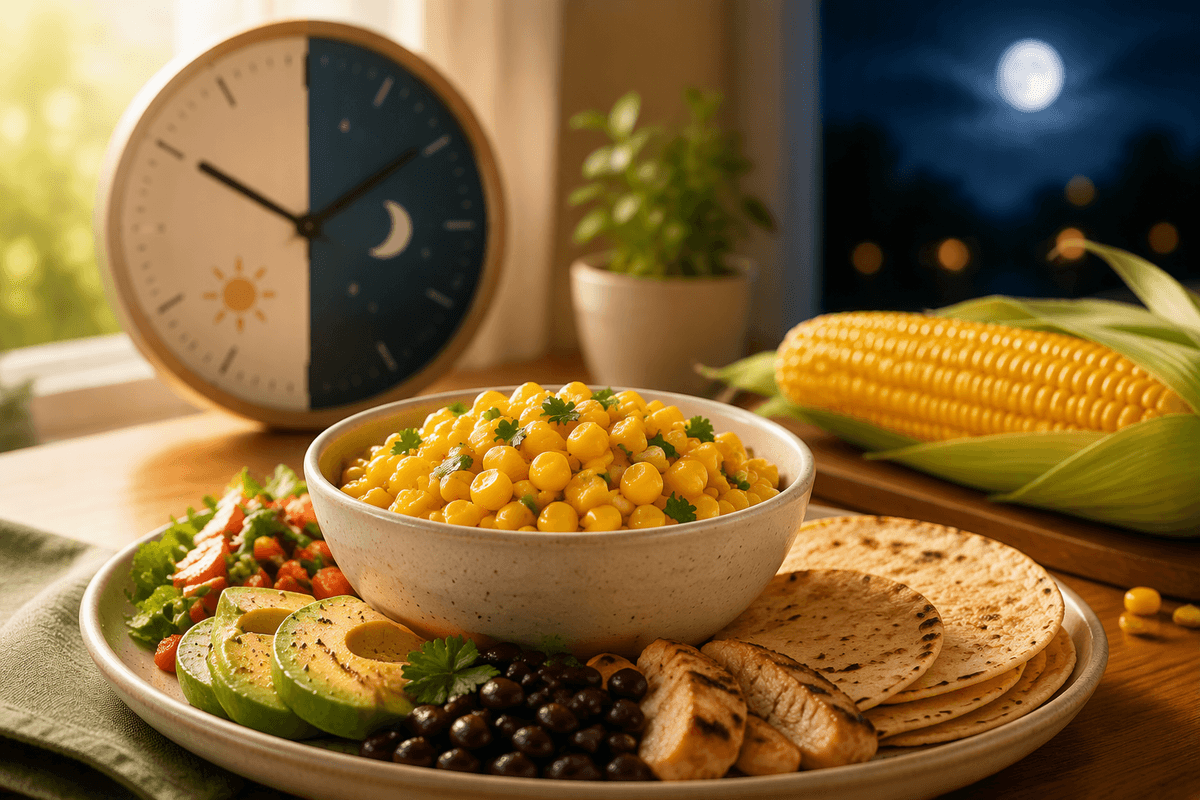
It’s often the timing that throws people off: dinner feels fine while you’re eating it, then later you’re rubbing your eyes on the couch, or you wake up a little wired at 2 a.m. The same carb that seemed “normal” at lunch can hit harder at night, partly because dinner portions tend to be bigger and faster to eat—more bowl meals, more seconds, more “just finish the rice.” When the base is refined starch, that extra volume can matter more than the fact that it wasn’t sweet.
There’s also the way dinner is built. A lot of weeknight plates stack quick carbs without looking like they do: rice plus a glaze, pasta plus bread, potatoes plus a sweet drink. Fiber and protein may be present, but not in amounts that slow the first wave. The body’s signals can lag—sleepiness now, then rebound hunger later—so it feels like “I needed a snack,” when it may have started with dinner’s speed.
Big rice bowls with sweet sauces surprise people
The surprise usually shows up when the bowl looks “lighter” than it is. A stir-fry over white rice can feel like a sensible dinner—until the sauce clings to every grain and you realize you ate it quickly, almost like soup. People will tell me they didn’t have that much sugar, because it was savory. But many popular weeknight sauces behave like a sweet drink poured over starch: teriyaki, sweet chili, orange-style glazes, honey garlic, even some “healthy” bottled simmer sauces. The rice absorbs it, so the sweetness doesn’t register the way dessert does.
A big rice base is already fast; then the sauce adds extra sugar, and the protein portion is often smaller than it seems once it’s mixed in. If vegetables are mostly soft-cooked, they don’t add much chew or volume. The result can be that familiar after-dinner fog, followed by a “snack-y” restlessness later that feels unrelated—until you connect it to the bowl.
Potatoes can outpace dessert in glucose impact
The tip-off is often how “not sweet” it tastes. A plate with chicken and a big scoop of mashed potatoes feels safer than cake, so people don’t expect much pushback—until they notice that warm, heavy calm in the eyes and an odd urge to hunt for something crunchy an hour later. Potatoes can do that, especially when they’re turned into something easy to eat fast: mashed, whipped, riced, or piled as fries. The more broken down the texture, the less work your body has to do before that starch starts acting like a quick carb.
Portion size is the other quiet problem. A “side” of potatoes can easily become the main event, and many weeknight versions come with extra helpers: butter, gravy, ketchup, or a sweet barbecue drizzle. Those additions don’t always feel like sugar, but they can stack on top of an already large starch base. Then the evening turns into a pattern that’s hard to interpret: sleepy first, then wired-snacky later, without an obvious dessert to blame.
Pasta dinners often stack multiple fast carbs
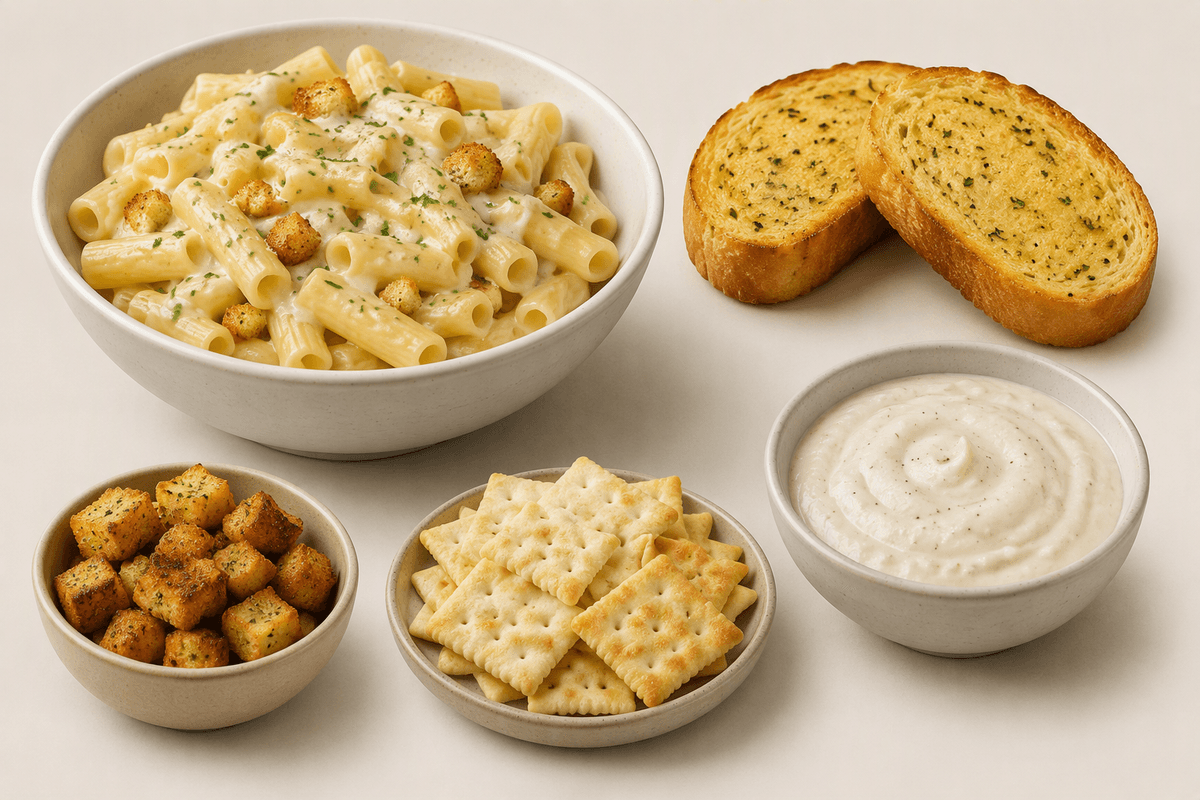
Halfway through the bowl, it’s easy to miss that pasta is rarely eaten alone. The plate comes with “extras” that don’t feel like extras: garlic bread, a few crackers in the salad, maybe a handful of croutons, and a sauce that’s smoother (and sometimes sweeter) than you’d guess from the label. None of it tastes like dessert, so people are surprised when the post-dinner slump hits anyway—heavy eyelids first, then a vague, restless need to snack later.
What makes pasta dinners tricky is how quickly the starches line up. A generous portion of noodles goes down fast because it’s soft and slippery, then bread adds another refined layer, and the sauce can act like a glaze when it’s thickened or sweetened. Even when there’s meat in the sauce, it may be more flavor than “anchor.” If the vegetables are mostly cooked into the sauce, the meal can feel balanced while still behaving like multiple quick carbs stacked together.
Hidden multipliers that turn meals into spikes
Sometimes the meal that “shouldn’t” cause a problem is the one that does—because the spike isn’t coming from one obvious carb. It’s the little multipliers that hide in plain sight: a thick sauce that’s slightly sweet, a coating that turns a protein into a starch-plus-starch situation, or a drink that quietly adds another fast carb while you’re still chewing. People often track the rice or pasta and miss the barbecue sauce, the ketchup, the sweetened yogurt “dressing,” or the handful of chips/crackers that turned dinner into a grazing plate.
Texture matters here more than most labels. Soft foods go down fast, and speed changes the whole curve. A big bowl of something smooth—mashed potatoes, mac and cheese, creamy soup with bread—can disappear before your body has much time to register fullness. Then the signals get messy: you feel foggy first, and later you feel oddly hungry again, even though nothing about dinner looked like dessert.
Why two people can react completely differently
Sometimes the confusing part is sitting right across the table from you. You eat the same rice bowl, and one person feels fine while the other gets that heavy-eyed lull and a little “pantry pull” later. It can seem like a willpower issue, but in real life it’s often a body-speed issue: how quickly that meal leaves the stomach, how much muscle is available to soak up glucose, and how responsive insulin is on that particular day.
Even in the same person, the reaction isn’t always consistent. A shorter night of sleep, a stressful afternoon, a long gap between meals, or being more sedentary than usual can make a familiar dinner land differently. Some people spike more at night than they do at lunch. That’s why “this food is fine for my partner” doesn’t automatically translate to “it’s fine for me,” and why the signals—fog, cravings, restless sleep—are worth treating as data, not a personal failure.