Start with fixed dates and nonnegotiables
I start every China plan by opening my calendar and getting brutally specific: the exact PTO block, whether I’m flying out Friday night or Saturday morning, and what time I actually land. A “7-day trip” can become five usable days once you price in jet lag, immigration lines, and a long transfer to your hotel—especially if you land late and lose the first evening.
Next, list nonnegotiables in plain language: “one full day on the Great Wall,” “see pandas,” “visit family,” “no overnight trains,” “business-class only,” or “must be back online by 9am ET.” Then add the constraints you can’t charm your way around: visa processing time, fixed meeting dates, and any holiday window you’d rather avoid because crowds can turn a simple train day into a stress test. Only after that do I start choosing cities.
Match trip length to regions, not the whole country
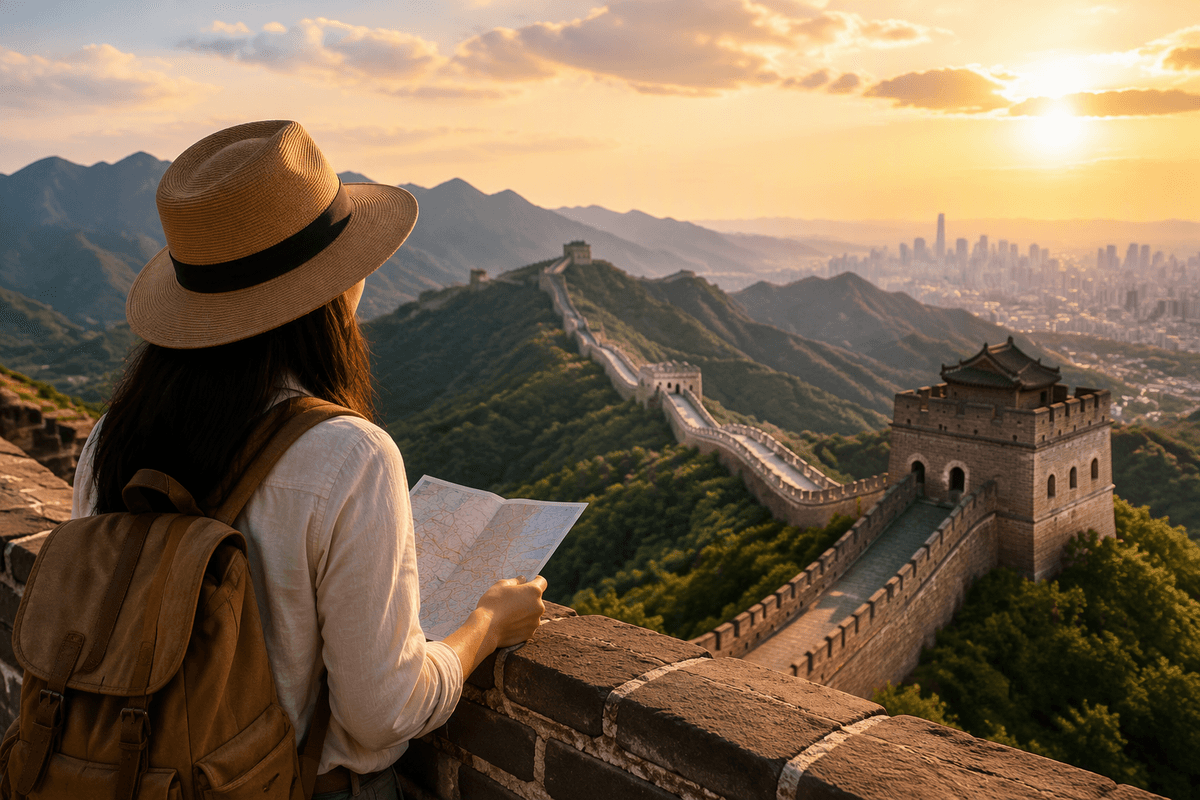
The first mistake I see (and have made) is treating China like a single “loop” you can casually knock out in one PTO block. On a map, Beijing–Xi’an–Shanghai looks tidy; in real life, it’s checkouts, station security, platform hunts, and arriving too wrung out to do anything but eat noodles and sleep. For 7 days, I plan one core region plus one “icon” day—Beijing and its orbit (Great Wall, Forbidden City) works because you’re not burning daylight to relocate.
At 10–14 days, you can add a second region, but the trade-off is always transit vs depth. A classic pairing is Beijing + Shanghai (with a short side trip like Suzhou/Hangzhou), connected by high-speed rail that’s comfortable and predictable—until you schedule it too tight and miss your buffer because the museum ran long or the taxi got stuck. If your second region is farther west (Xi’an, Chengdu), I start comparing a half-day train against a flight that looks “short” but eats time in airports and weather delays.
My rule: every time you change cities, assume you lose at least half a day. Build the trip around two bases, not five pins—your photos won’t look better because you were exhausted in more places.
Choose your travel style: cities, nature, or heritage
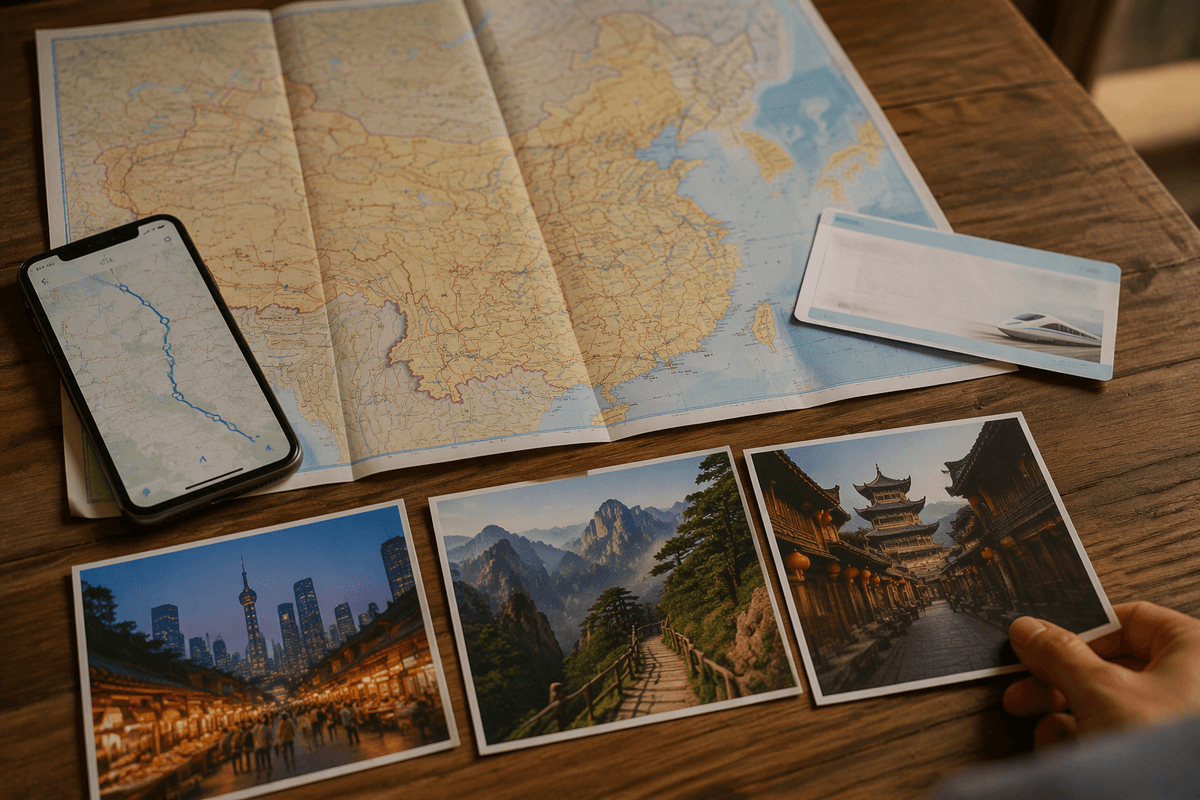
The moment you stop trying to “see China” and start choosing a travel style, the route gets calmer. On a first trip with fixed PTO, I force a simple decision: are you optimizing for cities (food, neighborhoods, museums), nature (mountains, national parks), or heritage (dynasties, temples, old towns)? You can mix, but only if you admit the trade-off: every extra style usually means an extra transfer day, and transfers are where jet lag and missed buffers show up.
If you’re city-forward, Beijing + Shanghai is efficient and forgiving—high-speed rail, lots of indoor options if weather turns, and you can keep your days modular. The downside is crowd density: popular sights reward early starts and midweek scheduling, and “I’ll just pop over at 10am” is how you end up in lines that eat your only free afternoon.
Nature-forward looks great on Instagram and can feel incredible in person, but it’s less predictable: trail closures, rain, altitude, and last-mile transit that doesn’t care about your Monday meetings back home. Heritage-forward (Xi’an, temples, older districts) sits in the middle—more structured sightseeing, but it can get same-y if you sprint through it. The practical takeaway: pick one primary style and let the second one be a day trip, not a new base.
Build a realistic route using trains, flights, and buffers
The first time I tried to “optimize” China transport, I built a spreadsheet so tight it had no room for reality: late hotel checkouts, security lines at stations, and the mental drag of navigating a new system while jet-lagged. The fix wasn’t more precision—it was choosing the right mode for the right hop, then protecting the edges of the day.
High-speed rail is the default winner when it’s truly city-center to city-center (think Beijing–Shanghai): you show up later than you would for a flight, you arrive downtown, and delays tend to be less catastrophic. The trains still behave like airports in miniature—ID checks, security, big stations where “I’ll just grab coffee” can turn into a 20-minute detour to find your platform. If the ride is pushing 5–6 hours, I start asking whether I want to spend daylight traveling or pay the friction cost of flying.
Flights look shorter on paper, but they’re fragile: weather, ATC delays, and the extra legs (airport transfers, early arrival) can quietly consume the same half-day you thought you saved. I plan one “hard buffer” per move: either a lighter evening on arrival or a deliberately flexible morning the next day. And if you’re changing cities more than twice in 10 days, that’s usually the signal to cut a stop—not add a faster connection.
Schedule-sensitive logistics: visas, holidays, tickets, weather
The first real friction point usually isn’t distance—it’s timing. If you need a visa, work backward from your departure date and treat document collection, appointment availability, and shipping as schedule-critical, not “admin.” The risk isn’t just a denial; it’s a perfectly fine application that simply can’t be processed inside your PTO window. If your dates are immovable, I’d rather simplify the route than add a third city you’ll only enjoy if everything clears on time.
Then zoom out to the calendar China is actually running on. National holidays can turn a two-hour museum plan into a crowd-management exercise, and trains sell out in patterns that don’t care about your meeting schedule. If you’re traveling near a peak period, book the long-distance legs first (the ones that strand you if you miss them), and let the “nice-to-have” day trips stay flexible.
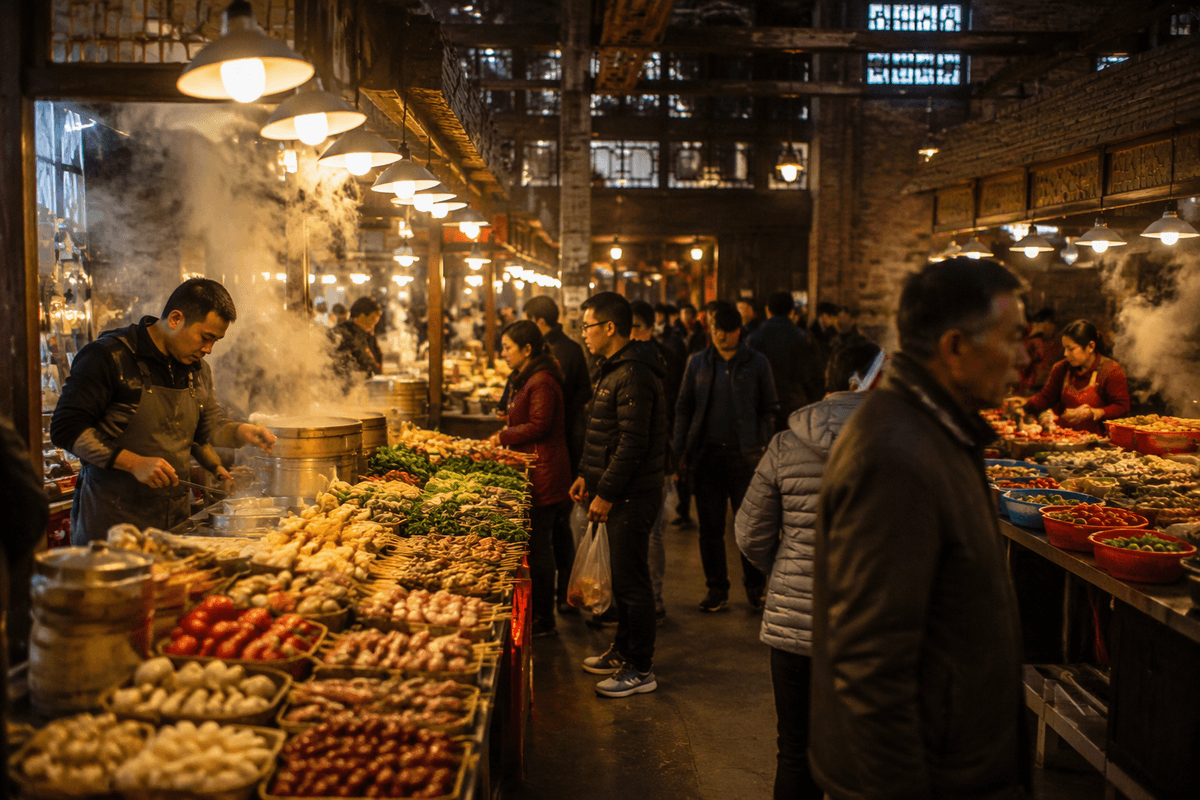
Weather is the quiet budget-killer: rain can flatten a Great Wall day, heat can make temple-hopping miserable, and haze can undercut skyline plans. I plan one indoor-friendly fallback per base (museum, food market loop, neighborhood walking) so a forecast change doesn’t force a costly same-day pivot.
Finalize a flexible daily rhythm and backup options
On the ground, the difference between a smooth China trip and a stressful one is less about which sights you pick and more about the rhythm you repeat. I like a simple template: one “anchor” booking in the morning (the thing that can sell out or gets worse with crowds), a flexible lunch zone nearby, and a second block you can drop without guilt if your legs—or your inbox—win. What doesn’t work is stacking two timed entries plus a cross-city trek; that’s how a single late subway turns into an expensive re-plan.
For each base, I build a small menu of backups: one indoor option for weather, one low-effort neighborhood loop for fatigue, and one “bonus” item only if the day runs clean. Then I decide in advance what I’m willing to skip—because the real flex is protecting sleep and making tomorrow easier, not heroically cramming in one more stop.