You’ve got cash, and the market won’t wait
The cash is already there, and it’s doing something every day—earning a visible yield, sitting idle, or quietly losing ground to inflation. Meanwhile the market moves in its own rhythm, sometimes without warning, and the part that stings isn’t the math so much as the timing: buying right before a drop or waiting through a sudden rally. A lump sum turns one decision into one timestamp, which is efficient but emotionally unforgiving.
The first constraint is usually calendar, not theory. The bonus hit last week. The inherited cash must be invested by month-end. A 401(k) rollover can’t sit in limbo forever. Even if the plan is “be patient,” the market charges rent for patience in the form of missed days, while a faster entry charges for speed with drawdown risk. That tension is the starting point.
Your first honest fork: fear of loss or fear of missing out

The decision usually pretends to be about expected return, but it quickly shows its real face: which regret would be harder to sit with. If you invest the whole lump sum and the market drops 8% next month, the statement turns into a weekly reminder that “you should’ve waited.” If you stage it in over six months and the market rips higher, the regret is quieter but persistent—every scheduled buy feels like paying more for the same shares.
That fork matters because it changes what “risk” means in practice. Lump-sum risk is concentrated timing risk: one price level, one emotional punch if it moves against you. Drip-in risk is opportunity cost risk: a deliberate choice to hold some cash while equities do what they do, plus the drag of leaving money in a lower expected-return asset. Neither is free; they just charge in different currencies.
A useful test is to ask what would actually make you break your plan. If a 10–15% drawdown would freeze you from investing the rest, slow entry can be a behavior hedge. If you’ll obsess over a rising market while you wait, that’s not patience—it’s a setup for chasing later.
Expectation meets reality when markets move fast
Once the fork is acknowledged, the market usually tests it quickly. The first few buys don’t arrive in a clean, teachable sequence. It’s more common to see a sharp down week followed by an abrupt rebound that makes the “right” choice look different every few days. With a lump sum, the account balance can drop before the trade confirmation email feels old. With a six-month schedule, the first rally can make the remaining cash feel like a mistake, even if the plan was deliberate.
The constraint here is speed: markets reprice faster than most people can update their expectations. If equities move 2% in a day, the question stops being “what’s optimal over 20 years” and becomes “can I keep executing next Tuesday.” Fast moves compress the emotional timeline. A staged plan can turn into an impulse to pause after a red week, or to accelerate after a green week—both are just timing decisions in disguise, and they often raise costs by pulling you into more trades, more checking, and more second-guessing.
When that happens, the practical metric isn’t whether the first month looked smart. It’s whether the process still seems executable when the tape is loud.
Define the win: long horizon, short stomach
At this point the question stops being “what earns the highest expected return” and turns into “what result would count as success even if the first few months are ugly.” The horizon might be 15–30 years, but the constraint is usually much shorter: how much drawdown you can watch without changing the plan. If a 12% drop would make the lump sum feel like a personal error, then “winning” isn’t maximizing the spreadsheet outcome—it’s staying invested through the first real test without flinching into cash.
It helps to set two targets that don’t fight each other. One is the long game: getting the money into diversified equities and keeping it there. The other is the stomach game: limiting the chance that a bad entry month derails contributions, triggers a sell, or turns into endless “I’ll wait for lower.” A staged entry can be framed as paying an explicit premium—some expected upside foregone—for a higher probability of full execution.
When those targets are explicit, the trade-off gets cleaner. A lump sum “wins” if you can tolerate an immediate drawdown without revisiting the decision. A drip-in “wins” if it prevents a freeze or a panic stop, even if the market runs away early.
Pick a process you can execute on autopilot
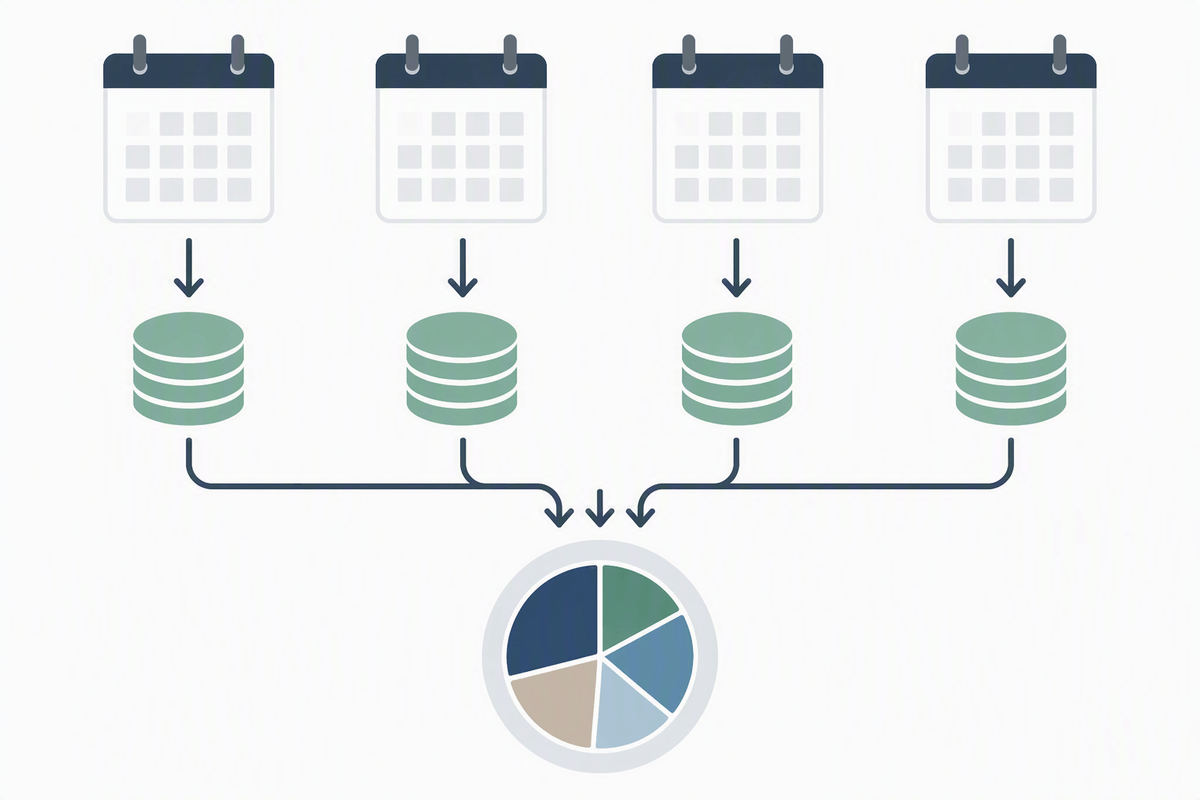
After “define the win,” the next friction is how quickly the plan turns into a daily referendum. If the process requires frequent judgment calls—speed up after green weeks, pause after red weeks—it stops being risk management and becomes a repeating market-timing loop. The constraint isn’t intelligence; it’s attention. Most lump-sum investors don’t fail because they chose lump sum. They fail because they keep re-choosing it every time the market gives them a new headline.
Autopilot means fewer moving parts than your mood. Pick either (a) invest 100% on a specific date, once, or (b) invest a fixed percentage on a fixed cadence (for example, 25% now, then 25% on the first trading day of the next three months). Pre-schedule the trades if the platform allows it, use one diversified fund mix, and avoid “extra” purchases meant to be clever. The cost you’re minimizing is not fees—it’s plan drift.
Then set a simple override rule that’s rare and explicit, like “only change the schedule if my job status changes or I need cash within 12 months.” Everything else is noise you’re choosing not to pay for.
Make it taxable-or-retirement account specific
The next speed bump is that “autopilot” looks different depending on where the cash is landing. In a retirement account, changing your mind midstream is mostly an execution annoyance. In a taxable account, it can turn into a tax-and-paperwork problem later, especially if a staged plan creates lots of small lots you’ll need to track when you eventually sell. The constraint isn’t just return—it’s whether your future self can unwind the position cleanly without surprises.
In taxable, favor fewer purchases and fewer funds unless there’s a clear benefit. A simple lump sum, or a short schedule (say 2–4 tranches), reduces lot sprawl and makes tax-loss harvesting more manageable if the market drops early. In retirement accounts, the same staged plan is mechanically easier: no capital gains to worry about, and rebalancing between funds doesn’t create a tax bill, so the main cost is still behavioral—whether you’ll keep pressing “submit” on schedule.
Either way, match the plan to the account’s friction, not your account balance screenshot that week.
Commit, then measure only what matters
Once the trades are scheduled or completed, the temptation is to keep auditing the decision every day. That’s where most plans quietly unravel: a 3% dip becomes evidence you should pause, a 5% rally becomes a reason to “fix” the schedule. The constraint now is measurement frequency. If you track it like a trade, you’ll manage it like a trade, and the cash you meant to deploy turns back into a timing problem.
Commit by narrowing the scoreboard. In the first 6–12 months, measure only (1) percent of the lump sum actually invested on the planned dates, (2) total fees and avoidable taxes paid, and (3) whether the portfolio is still aligned to the target allocation. Let returns be noisy in the background. The plan “worked” if you stayed invested and didn’t create a second decision.