Before you go: Must—arrive early parking; Opt—Springdale shuttle; Skip—last-minute plans.
The first decision that makes (or breaks) a two-day Zion plan is painfully unglamorous: where you’ll put your car before the canyon wakes up. Parking fills early year-round, and in shuttle season you can’t rely on simply driving Zion Canyon Scenic Drive when you feel like it—most people are funneled into the same morning window. Build your Day 1 around arriving early enough to park without drama, even if it means coffee in the dark and a slightly earlier bedtime the night before.
If the main lot is already looking grim, Springdale becomes your pressure-release valve: park in town and ride the free Springdale Line shuttle to the pedestrian entrance, then transfer to the free park shuttle. The trade-off is time (and a bit of mental bandwidth) for predictability—you’ll walk and wait more, but you won’t spend your best morning circling for a spot.
What I’d skip is the “we’ll decide tonight” approach. Zion doesn’t reward last-minute plans in summer: daytime heat can push past 100°F, and July through September brings monsoon-season flash-flood risk that can change what’s sensible tomorrow. Also, if you’re not chasing an Angels Landing permit (and you don’t need to), your best alternatives still depend on shuttle rhythm and conditions—so check current alerts before you go to sleep, not after you’ve already lost the morning.
Day 1 AM: Must—ride free shuttle; Opt—easy canyon walks; Skip—driving.
The first small friction point on Day 1 is accepting that “I’ll just drive to the viewpoints” isn’t really a plan in shuttle season. Personal cars don’t run Zion Canyon Scenic Drive then, so the free park shuttle is the morning backbone—no permit, no reservation, just a line that moves faster than you think once it gets going.
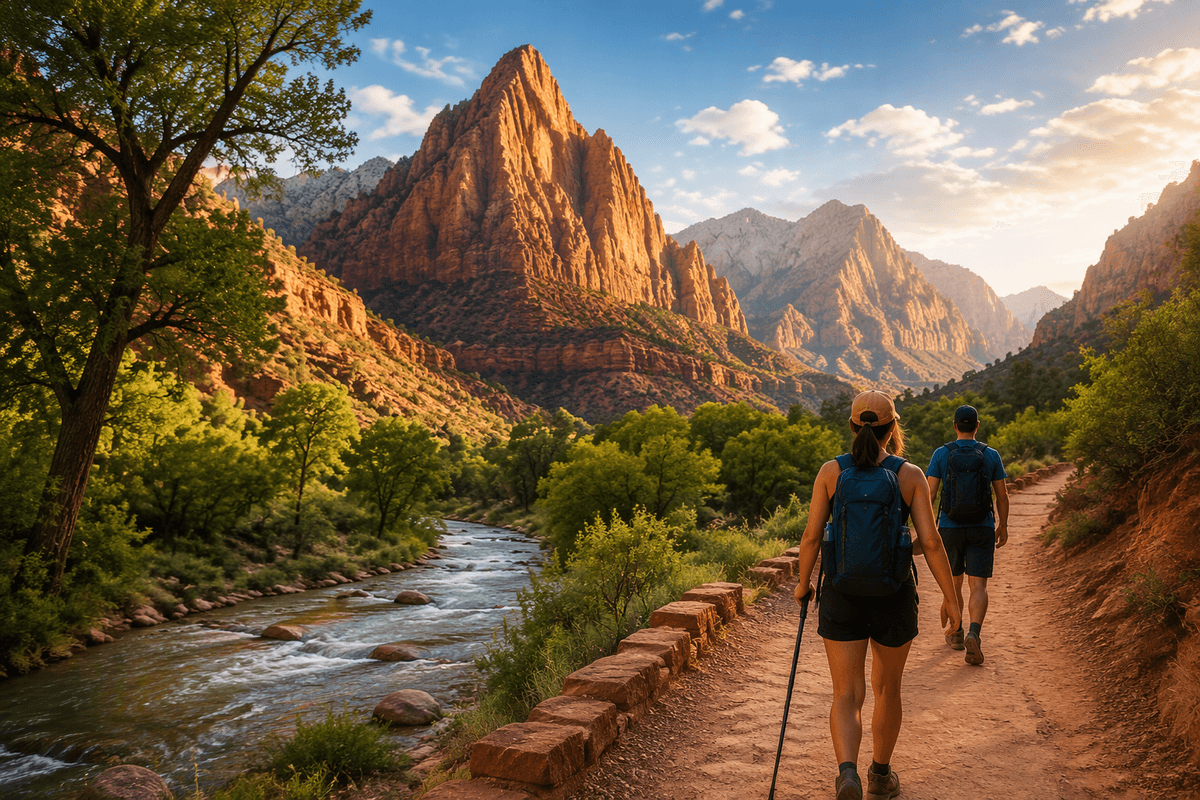
If you’re trying to keep the day iconic but low-stress, start with an easy canyon walk that doesn’t punish you for arriving a little later than the sunrise crowd. The Pa’rus Trail is a good warm-up when someone in your group needs a gentler start, and Riverside Walk is the obvious “this is why we came” option without committing to anything exposed or permit-dependent.
What I’d skip is treating the shuttle like a backup and spending your best hour circling lots. The trade-off is simple: a little waiting and standing for a lot more certainty—and a much calmer start before heat and crowds stack up.
Day 1 PM: Must—one gallon water; Opt—siesta; Skip—100°F midday.
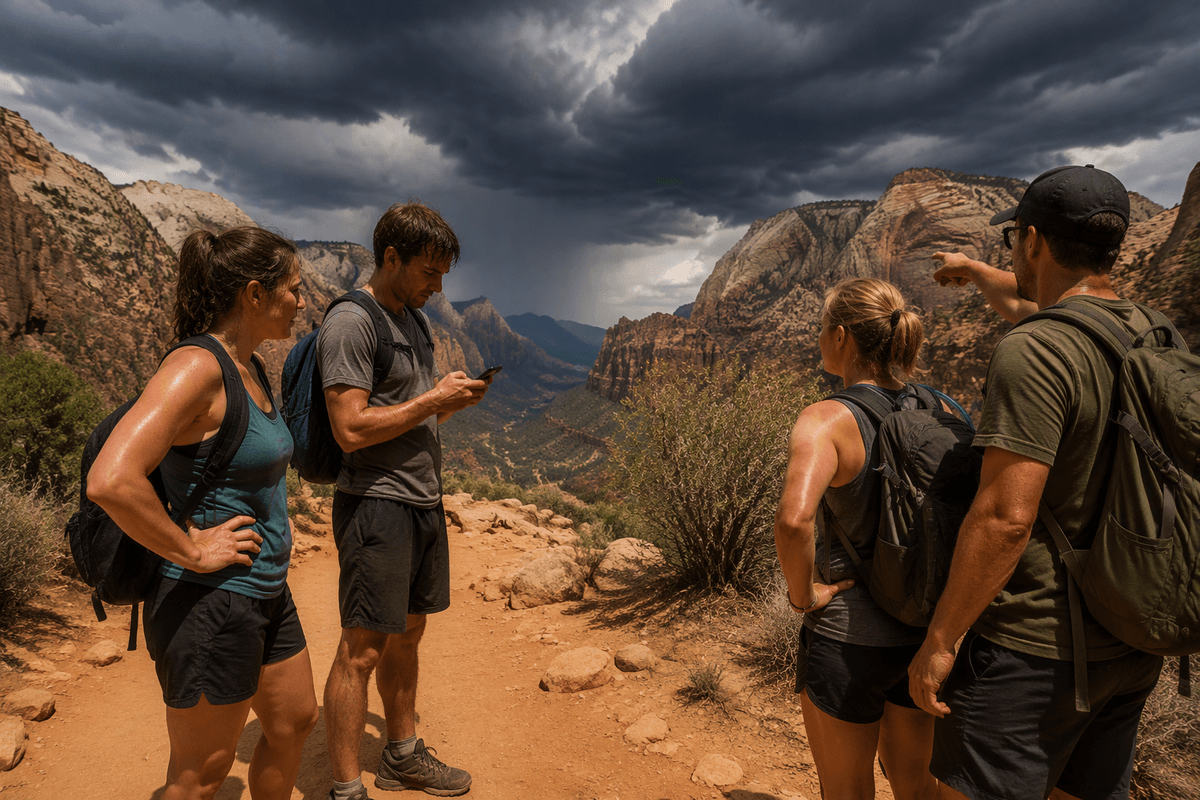
By early afternoon, Zion has a way of making you renegotiate your ambitions. The canyon walls amplify heat, the shuttle stops feel more crowded, and what looked “quick” on a map starts to feel expensive in sweat. This is the slot in the day where I treat water like a schedule anchor: at least one gallon per person for the day isn’t an overreaction here—it’s what keeps a pretty walk from turning into a silent slog.
If you finished a morning like Riverside Walk, the best optional move is the least heroic one: a siesta back in Springdale. The trade-off is obvious—you’ll spend prime daylight indoors—but you’ll also avoid hiking during the stretch when summer temperatures can push past 100°F and patience runs thin. It’s also easier to reset: refill bottles, eat something salty, and decide what still feels fun.
What I’d skip is forcing a midday “big hike” just because you’re already in the park. In monsoon season (roughly July through September), that extra fatigue plus changing weather is a bad combo. Save your legs—and your decision-making—for a cooler late-afternoon shuttle loop and an earlier start tomorrow.
Day 2 AM: Must—Narrows start; Opt—turn back early; Skip—flood alerts.
Day 2 is when I like to commit to The Narrows—but only if the morning starts clean. The practical move is getting on the first shuttles toward the Temple of Sinawava, before the line turns into a slow, loud bottleneck and before the canyon heat ramps up again. The upstream Narrows day hike itself doesn’t require a permit, which keeps the logistics refreshingly simple compared with anything permit-gated or exposed.
The optional “smart ego” play is to treat your turnaround point as a decision you make in real time, not a badge you earn. If the water feels colder or deeper than you expected, someone’s pace is clearly slower, or you’re already burning through snacks and patience, turning back early still gives you the headline experience without draining the rest of your day.
What I’d skip—no debate—is hiking when flood alerts are active or storms are stacking up in the forecast. In monsoon season (July through September), flash-flood risk is the kind of variable that doesn’t negotiate. Check current conditions before you leave Springdale, and be willing to pivot if the park is signaling “not today.”
Day 2 PM: Must—shuttle flexibility; Opt—east-side drive; Skip—tunnel closures.
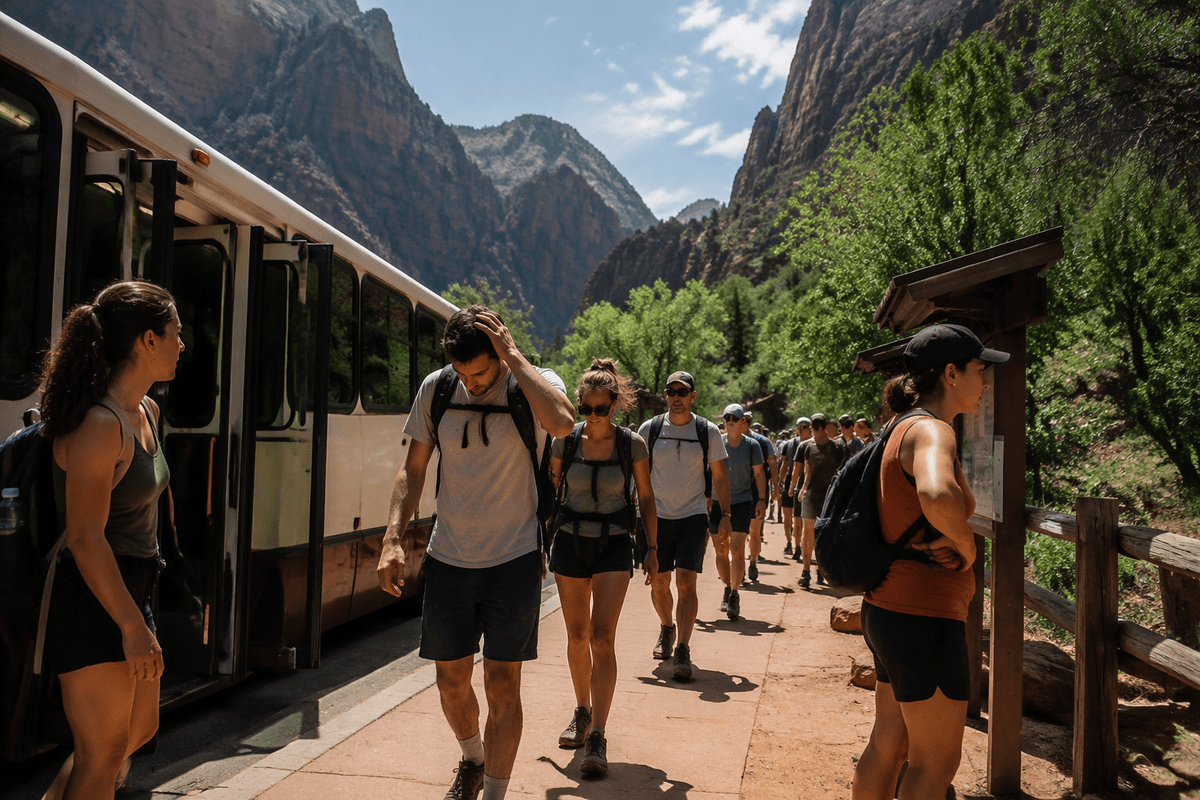
After a Narrows morning, the “must” is staying flexible with the shuttle instead of locking yourself into one last heroic objective. If you’re tired, wet, or just over lines, a shorter afternoon loop—one more canyon stop, then back to Springdale for food and a reset—often works better than trying to brute-force a second big hike in peak heat.
If everyone still has energy, the best optional pivot is leaving Zion Canyon and doing an east-side drive on Zion–Mount Carmel Highway for a different look at the park without depending on shuttle timing. The trade-off is that it’s more car time and less walking, but it can feel calmer when the canyon core is at its most crowded.
What I’d skip is building the afternoon around the tunnel if closures are in play. For example, the park posted expected nighttime Zion–Mount Carmel Tunnel closures from September 21–30, 2026—exact hours can change—so check conditions before you commit, or you’ll end up rerouting when you’re already running on fumes.
Wrap-up: Must—expect crowds; Opt—repeat favorites; Skip—Angels Landing pressure.
On the last shuttle ride back, the main takeaway is that Zion works best when you assume crowds are part of the landscape, not a surprise to solve. If a stop looks chaotic, don’t force it—stay on the bus, hop off one stop later, and keep your timing loose enough to adapt when lines or heat steal momentum.
If you have extra energy, repeat what actually felt good: a second Riverside Walk lap in softer light, a calm Pa’rus stroll, or an easy canyon stop you skipped while optimizing earlier. What I’d skip is the Angels Landing pressure spiral—permits, exposure, and two-way traffic on chains aren’t required for a satisfying first trip, and “not this time” is a perfectly efficient decision.