Aries Season Travel: Why You Crave the Next Big Thing
I always notice it around late March: I’m staring at a map at midnight, convinced I can squeeze in a sunrise hike, a street-food crawl, and a day trip—then I remember I only have 6–9 days off and a tolerance for delays that drops fast when I’ve paid for a “quick” getaway.
That Aries-season itch isn’t just wanderlust; it’s a craving for momentum. You want a place that rewards initiative—easy-to-book transport, activities that start early, weather that doesn’t trap you indoors. The catch is that early spring can be shoulder-season chaos: wind, surprise rain, and lingering winter schedules in some regions can turn “spontaneous” into “stuck.”
The goal here is bold without brittle: heat, movement, a bit of challenge, but with logistics that don’t punish you for traveling on a midrange budget. Think one strong base, one or two high-intensity anchors, and enough slack to keep the trip feeling fast instead of frantic.
What Makes a Destination “Aries”: Speed, Heat, Challenge
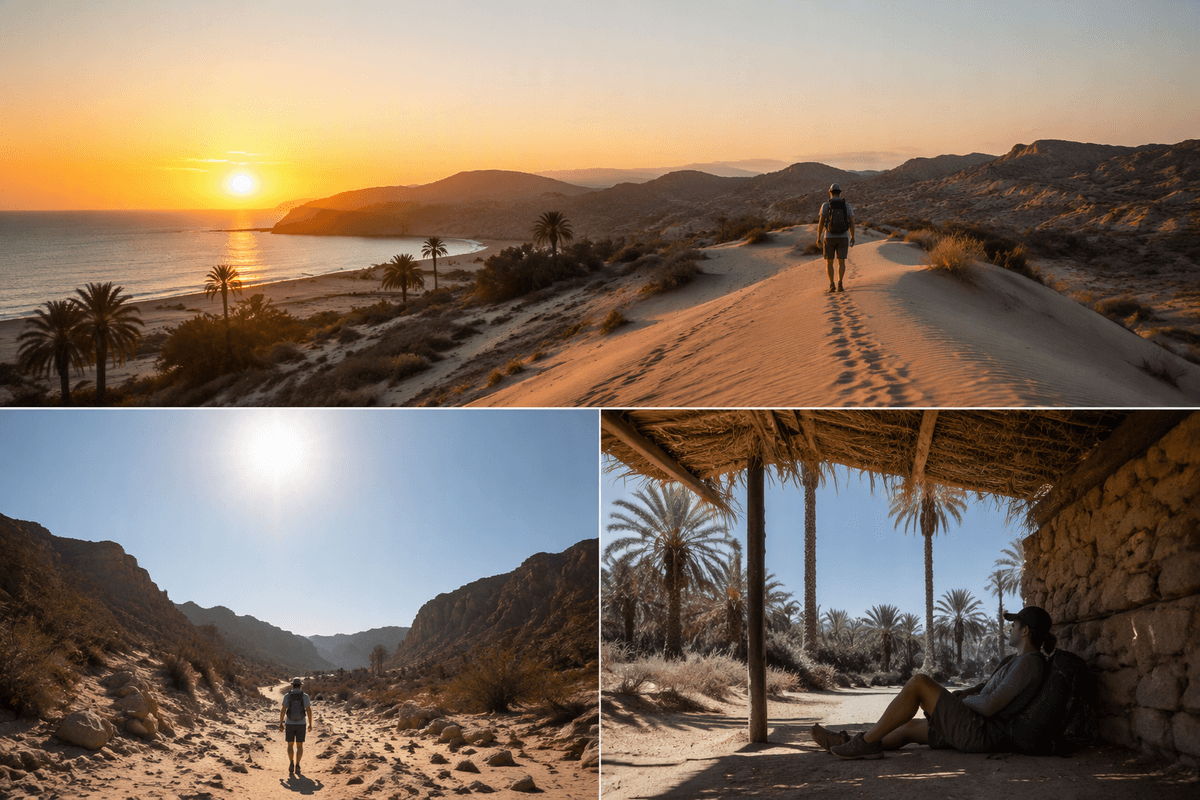
The first “Aries” signal is speed—not in a reckless way, but in how quickly a destination lets you get moving. Direct flights, short transfers, and a city layout you can understand in a day matter more in March–April than people admit, because a single delayed connection can erase the very momentum you came for. If getting from airport to your base is a two-hour puzzle, it’s probably not an Aries pick for limited PTO.
Next is heat (or at least warmth that behaves). Early spring sun in the desert or tropics can feel like instant recharge, but it also punishes over-planning: midday hikes become miserable fast, and you’ll end up hiding in shade if you schedule “go-go-go” from noon to four. Warmth works best when the day naturally splits into mornings and evenings.
Finally, challenge should be optional, not logistical: a steep trail, surf lessons, a fast city, yes—but not “maybe the ferry runs today.” The sweet spot is a place where you can say yes to intensity, then retreat to reliable meals, rideshares, and one solid home base when fatigue hits.
Adrenaline Capitals: Big-Action Cities That Never Wait
The moment you land in an adrenaline capital, you can feel whether it’s going to cooperate with your limited PTO: is the airport-to-hotel transfer a straight shot, are cafés open early, and can you stack a morning activity without needing a spreadsheet. Cities like Mexico City, Dubai, and Tokyo tend to “start fast” in March–April—good transit, long opening hours, and enough density that you’re not burning half-days in transit. The friction is different in each: Mexico City is high-reward but altitude can quietly slow you down the first 24 hours; Dubai is seamless but can feel pricey the moment you lean into rooftop dinners and taxis; Tokyo runs like clockwork, but spontaneity costs more if you’re booking last-minute Shinkansen seats or popular museums on peak days.
If you want heat without fragile logistics, Dubai is the cleanest bet for a 6–7 day sprint: you can do desert dunes in the morning, modern neighborhoods in the afternoon, and still be back for a late reservation—just accept that “midrange” stretches fast in hotels and cocktails. Mexico City is the better value adrenaline option, especially if you anchor your energy in a few big hits (Lucha Libre, a food-heavy neighborhood hop, a day trip) instead of trying to cross the entire sprawl daily.
Tokyo is the high-octane choice when you want movement over warmth: it rewards early starts and tight routing, but it doesn’t forgive vague planning during cherry blossom season when rooms tighten and crowds thicken. If your Aries impulse is to book now and figure it out later, pick the city that’s forgiving about last-minute pivots—then keep one “free” half-day in your pocket for when your legs (or the weather) call it.
Edge-of-the-Map Escapes: Wild Landscapes, Minimal Comforts
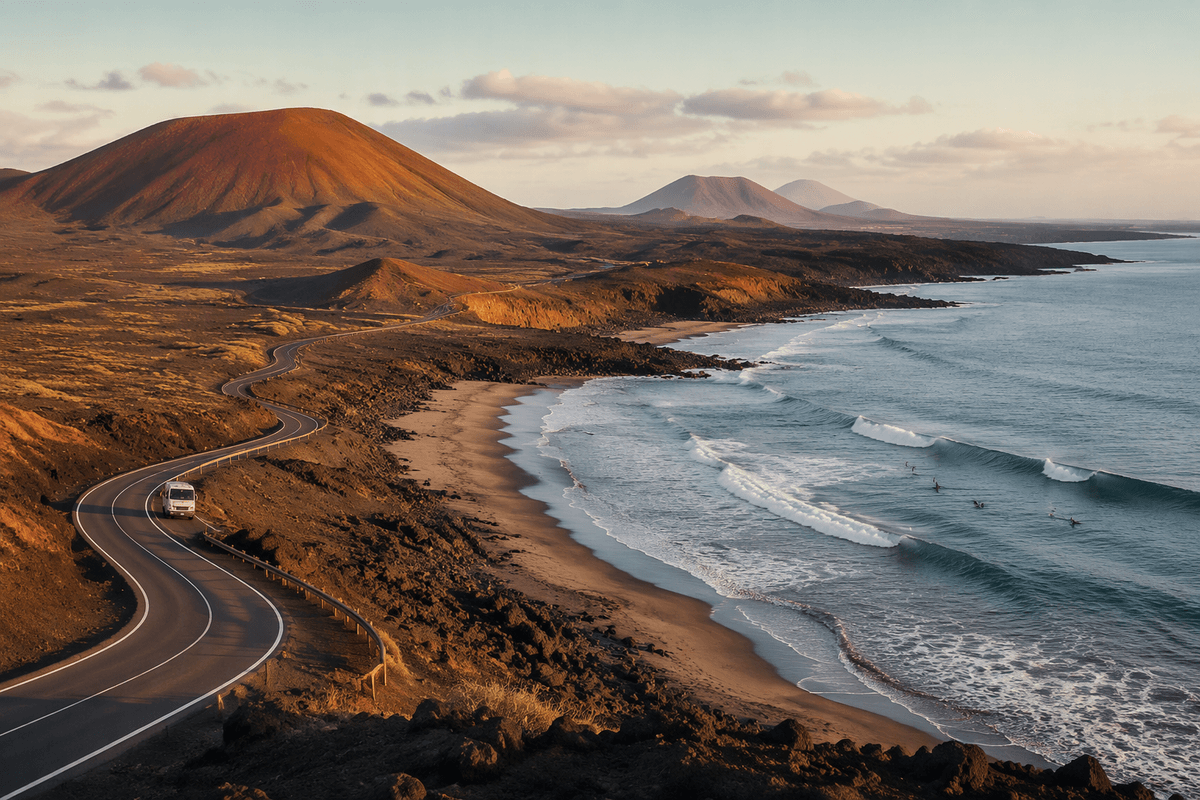
I learned the hard way that “edge-of-the-map” only feels romantic until you’re watching daylight vanish while you’re still hunting for your rental car line. These are the trips that deliver the Aries hit—wind, salt, lava rock, open road—but they demand a little more respect for timing, because one missed bus or an early trail closure can turn your high-energy plan into a long, bored wait.
If you want wild without gambling your PTO, pick a base that still behaves like a small city. Madeira works well for this: you can sleep in Funchal (restaurants, decent hotel stock, organized tours) and still get dramatic hikes and cliffs fast—just don’t underestimate microclimates, because a “clear” morning can turn into sideways rain an hour later. Iceland is the colder version of the same idea: huge landscapes with very workable infrastructure, but the costs spike quickly once you add a car, fuel, and one or two “we’re here, so we should” experiences.
For a warmer, more remote feel, Lanzarote (or a similar Canary Island) gives you volcanic scenery and quick day loops without the full wilderness penalty—though the vibe can skew calm unless you actively choose surf beaches, long walks, and earlier starts. The common thread: rent the car, commit to one signature route per day, and leave your evenings intentionally easy, because “minimal comforts” is fun right up until you’re exhausted and dinner options are a 20-minute drive away.
Fire-Fueled Experiences: Volcanoes, Deserts, and Hot Springs
The first time I tried to stack “volcano + hot springs + sunset” into a single day, the timetable looked fine—until the wind picked up and every viewpoint became a jacket-and-grit situation. Fire-fueled trips are pure Aries energy because the landscape feels alive, but early spring has a way of reminding you that heat on a map doesn’t always mean comfort on the ground.
If you want the cleanest volcano logistics, base yourself near a high-frequency hub and let tours handle the moving parts. Sicily (Catania for Etna) is great when flights line up and you’re okay trading some freedom for a guide who’ll reroute around closures; the weak link is always visibility and summit access, which can change fast. On the Canary Islands, Tenerife gives you Teide drama with city-level convenience, but you’ll need to pre-book anything that has timed entry or a lift—showing up “whenever” is how you burn a prime morning.
For desert heat with minimal risk, Palm Springs/Joshua Tree is the easiest U.S. reset: you can drive in, hike early, and be back at a pool before the day turns sharp and bright. The limitation is that it’s so efficient you can overdo it—plan one long hike or one off-road-style tour, not both, then use hot springs or a spa as the intentional slowdown that keeps the trip feeling fast instead of fried.
Choose Your Aries Trip: One Big Yes, No Regrets
On my last night of planning, I stopped trying to “solve” the whole map and asked one blunt question: do I want heat, or do I want motion? If you pick heat, Dubai or Palm Springs/Joshua Tree delivers fast starts and easy wins, but your midrange budget gets less forgiving the moment you lean into taxis, drinks, or a resort upgrade.
If you pick motion, Tokyo is the cleanest yes—dense, efficient, and energizing—just with more crowd pressure and less room for last-minute improvising in peak weeks. If you want value plus adrenaline, Mexico City is the smartest bet, but altitude and sprawl punish anyone who tries to “see it all” in a single sweep.
And if what you really want is “edge,” go Madeira, Lanzarote, or Iceland—then accept that the weather may choose your schedule for you. Commit to one anchor experience per day, book the first two nights now, and let everything else earn its place.