Rainy-weekend framing: Must stay flexible; Optional evenings; Skip expectations
The first friction point on a rainy DC weekend isn’t the weather—it’s your calendar. If you treat the National Mall like an outdoor “walk it all” destination, you’ll either get soaked or burn time hovering under overhangs. I plan the day like an indoor circuit first, and I let anything outside become a bonus.
That mindset matters because most Smithsonian museums are free, but not all of them are “walk-in whenever.” The National Museum of African American History and Culture requires a free timed-entry pass for every visitor, and the DC National Air and Space Museum also runs on free timed-entry passes. Lock those in, then build everything else around them—because rain doesn’t ruin a museum plan, but missed entry windows do.
Evenings are the pressure-release valve: if the rain lightens up, the National Mall and Memorial Parks are open 24 hours, so you can slide a memorial loop into a weather gap without sacrificing your daytime reservations. Just keep an eye on Metro reality—WMATA’s Trip Planner and weekend/track-work advisories are how you avoid turning a “quick hop” into a 40-minute detour.
Costs: Must know Smithsonian free; Optional donations; Skip tickets
The budget win (and the planning trap) is that Smithsonian general admission is free—so you don’t need to “shop for deals” or pre-buy anything just to walk into most Mall museums. Where people waste money is assuming “free” means “no planning”: NMAAHC and the DC Air and Space Museum still require free passes/timed entry, and a missed window costs you time, not cash.
I treat donations as optional, not a line item. If you want to give, do it because the visit landed—not because you felt cornered at the door. What I skip entirely: third-party “skip-the-line” tickets for Smithsonian museums. In a rainy weekend, the real currency is your entry slot and your dry walking time, so save the dollars for Metro rides and a warm drink when the drizzle turns stubborn.
Key bookings: Must reserve NMAAHC/AirSpace; Optional Metro checks; Skip guessing
The moment that usually derails first-timers is realizing—too late—that “free” doesn’t mean “walk in whenever.” If you want NMAAHC, treat the timed-entry pass like a hard anchor in your weekend: pick a slot you can actually make, then protect it with buffer time for security lines and a slower Metro ride if it’s pouring. For the DC Air and Space Museum, do the same—and don’t plan on arriving early to “see if they’ll let you in,” because entry is tied to the time you booked (from that time onward on the same day).
Once those two reservations are in place, everything else becomes modular: you can fill gaps with nearby Smithsonians that don’t require passes, and you can push memorials to a clearer evening since the National Mall and Memorial Parks are accessible 24 hours. The part I don’t skip is a quick WMATA check the night before and again that morning—Trip Planner plus weekend/track-work advisories—because a station closure can turn a simple one-stop hop into a damp, slow walk you didn’t budget for.
Saturday morning: Must timed-entry museum; Optional second museum; Skip Mall
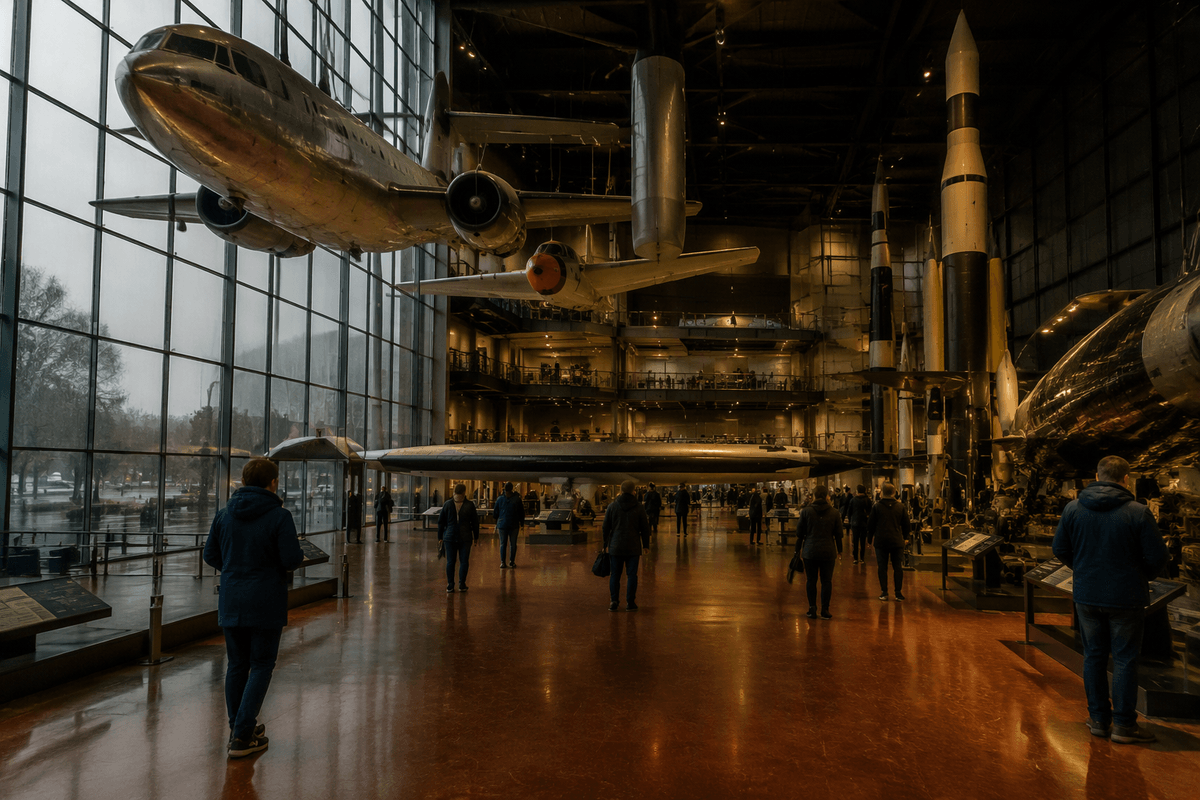
Saturday morning is where the whole weekend either clicks—or quietly unravels. I treat my first timed-entry museum as a non-negotiable appointment, not a “we’ll get there around then” idea. If rain is coming down, Metro plus security lines run a little slower, and the only thing worse than waiting indoors is realizing you burned your best museum window on a delayed train and a wet walk between entrances.
So I pick one anchor: NMAAHC or the DC Air and Space Museum, show up with buffer, and plan to go in at my pass time (not 30 minutes early hoping for mercy). The trade-off is committing to a specific start, but you buy yourself a smoother rest of the day because everything else can flex around that one hard reservation.
If you finish earlier than expected, the optional move is a second Smithsonian nearby that doesn’t require a pass—something you can slide into without gambling on another entry window. What I skip in the morning, especially in steady rain: the “let’s just walk the Mall for a bit” temptation. Save the outdoor memorial loop for an evening weather gap, when being outside is a choice, not a penalty.
Saturday afternoon: Must museum-hop; Optional Metro shortcuts; Skip long walks
By early afternoon, the rain usually turns museum-hopping into a negotiation: do you spend your energy on exhibits or on getting between buildings without arriving damp and annoyed? This is where I stop thinking in “Mall distance” and start thinking in entrances. If your morning anchor ran long, don’t force a cross-Mall march just because it looks close on a map—those blocks add up fast when you’re dodging puddles and juggling umbrellas.
The move that works: pick one more Smithsonian that doesn’t require a timed pass and treat it as your flexible fill. You’re still staying on-budget because general admission is free, but you’re not stacking another hard entry window on a day that already has one. The trade-off is you may skip a “top” museum you hoped to squeeze in, but you’ll actually see what you came for instead of speed-walking past it.
If the weather is ugly or you’re feeling the miles, I’ll take a Metro hop even for what seems like a short transfer—especially if WMATA’s Trip Planner shows a cleaner route or warns about weekend disruptions. What I skip in the afternoon is the long outdoor connector walk: save that effort for a clearer evening when being outside is optional, not a penalty.
Sunday: Must remaining Smithsonian; Optional 24-hour memorials; Skip rain battles
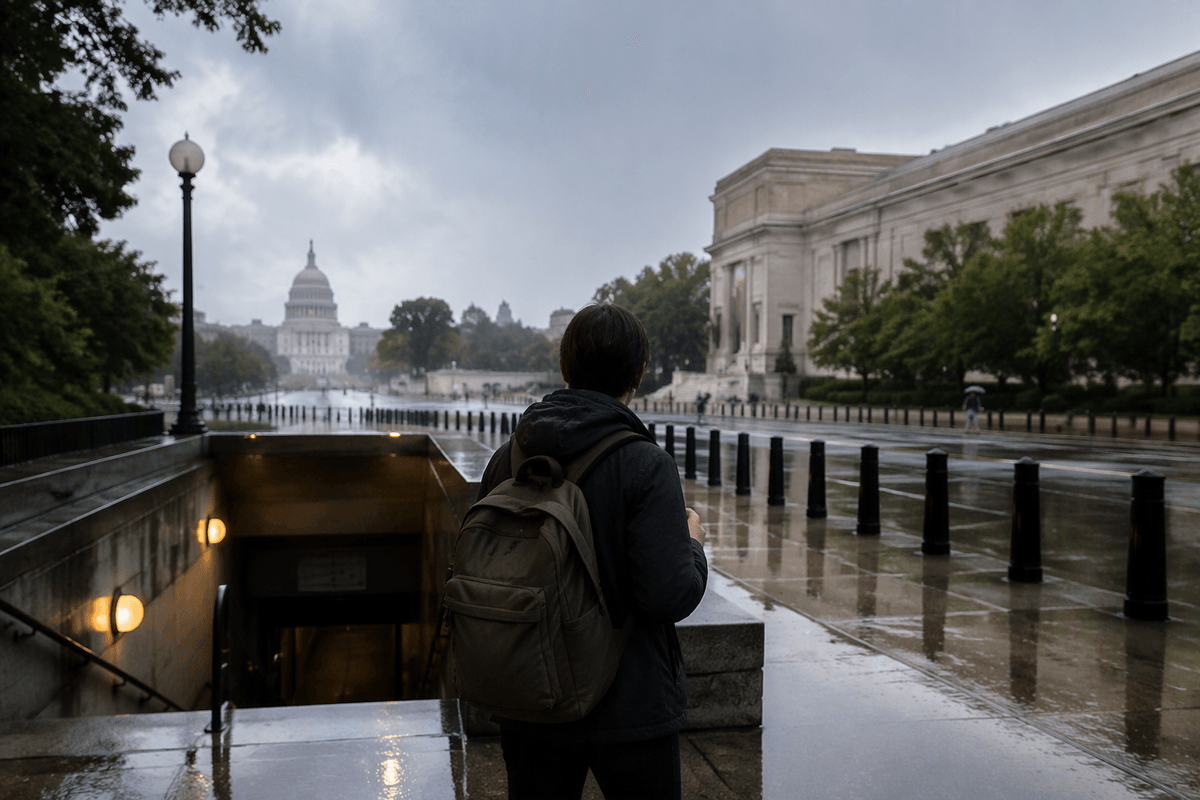
Sunday is where I feel the urge to “finish the Mall,” and that’s exactly when rain turns into a dumb competition. If you have one more museum you genuinely care about, make it the morning priority and treat it like a clean exit: one building, one security line, one focused visit. Most Smithsonian museums don’t require paid tickets, so the win here is staying indoors and not spending your last day in wet transit between “quick stops.”
The practical trade-off is that you can’t collect everything. If your timed-entry anchors already happened Saturday, Sunday is for whatever you skipped because you were tired, the line looked brutal, or the cross-Mall walk felt longer in the rain than it did on your map. Pick the closest option to your current Metro access and let “nearby” beat “famous.”
If the weather gives you even a thin break, that’s when the memorials become optional—because National Mall and Memorial Parks sites are open to the public 24 hours a day. The move I don’t skip: a quick WMATA Trip Planner check plus weekend/track-work advisories before you commit to one last hop, since a minor service change can quietly turn into a long, wet walk you didn’t budget for.
Wrap-up: Must recheck WMATA advisories; Optional detours; Skip rigid plans
The last little snag on a rainy weekend is assuming Metro will behave the same way it did on your arrival night. Before you commit to your “one last museum” or a final transfer back to your hotel, take two minutes to recheck WMATA’s Trip Planner and the weekend/track-work advisories—because a single station closure or reroute can quietly turn a one-stop hop into a damp, time-eating walk.
If the map looks messy, this is where detours actually help: pick the museum that’s easiest from your current station rather than the one you feel like you “should” see. You’ve already won the budget game because Smithsonian general admission is free, and you’ve won the planning game if you protected your timed-entry anchors (NMAAHC and the DC Air and Space Museum). Everything else is bonus.
And if the rain finally eases, treat the memorials as your flexible victory lap—National Mall and Memorial Parks sites are open 24 hours a day, so you can go when the weather cooperates instead of forcing it. The trip stays smooth when the plan stays loose.